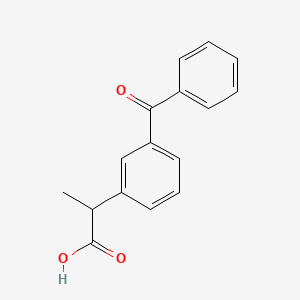
Ranitidine Hydrochloride
Ranitidine Hydrochloride is a potent, competitive histamine H2-receptor antagonist used in pharmaceutical research to study the inhibition of gastric acid secretion and the management of peptic ulcer disease.
Description
Comprehensive Product Overview
In the field of digestive physiology and pharmacology, the ability to control basal and stimulated gastric acid secretion is a major advantage. Ranitidine Hydrochloride is specifically selected because it provides a longer duration of action compared to cimetidine. For instance, it is used to investigate the physiological management of Zollinger-Ellison syndrome and gastroesophageal reflux disease (GERD). Consequently, it facilitates the development of high-efficacy oral and injectable formulations with higher efficiency. As a result, Zyntex ensures that our high-purity API is produced under strict conditions to minimize the presence of nitrosamine impurities and ensure crystalline stability.
Moreover, the research-grade Ranitidine Hydrochloride provided by Zyntex is a vital component in the study of histamine-mediated signaling in non-gastric tissues. This application allows for the creation of advanced profiles for multi-receptor antagonism, undoubtedly pushing the boundaries of what is possible in modern pharmacology. At the same time, its role in preventing stress-induced mucosal damage is highly valued by global clinical research organizations. In short, our product serves as a dependable “precision-antagonist” for companies focusing on both gastrointestinal health and sustainable healthcare infrastructure.
Recently, scientific interest has surged regarding the stability and storage conditions of Ranitidine in various matrix environments. Because of this, Zyntex offers specialized analytical documentation to provide safer and more convenient validation in various laboratory environments. Ultimately, by choosing Zyntex as your supplier, you secure a reliable supply chain that balances chemical potency with rigorous logistical safety. To conclude, our commitment to chemical excellence ensures that your manufacturing processes—whether in fine chemistry or clinical research—achieve the highest levels of purity and yield.
Key Industrial Applications
This high-performance H2 blocker is specifically vital in the following four sectors:
🔬 Gastroenterology R&D
A potent agent for studying acid secretion pathways; thus enabling the production of high-value gastric pH data.
💊 Pharma Development
Key API for antacid and anti-ulcer medications; consequently vital for developing stable clinical formulations.
🧪 Histamine Research
Used to differentiate H2 vs H1 receptor responses; undoubtedly essential for advanced signaling research.
🧬 Stability Testing
Used as a reference for degradation and impurity profiling; specifically helping researchers ensure pharmaceutical safety.
Technical Specifications
| Parameter | Standard Value |
|---|---|
| Product Name | Ranitidine Hydrochloride |
| Assay / Purity | 97.0% – 103.0% (Dried Basis) |
| Molecular Formula | C13H22N4O3S · HCl |
| CAS Number | 66357-59-3 |
⚠️ Safety Warning: Ranitidine Hydrochloride is sensitive to moisture and high temperatures. Therefore, it must be stored in a cool, dry place in tightly closed containers. Handle with appropriate PPE and monitor for the formation of NDMA (N-nitrosodimethylamine) over time, especially in environments with elevated heat.
Safety and Regulatory Data
For comprehensive toxicological profiles, material safety data sheets (MSDS), and physical property validation, please refer to the official PubChem entry: Chemical Safety Data – Ranitidine HCl (66357-59-3)