Neopentyl Glycol
Neopentyl Glycol flakes (NPG, CAS 126-30-7) with ≥99.0% GC purity, supplied wholesale by Zyntex. Branched diol for weather-resistant polyester resins, powder coatings and synthetic lubricants. CoA and SDS with every lot.
Description
Neopentyl Glycol Product Overview
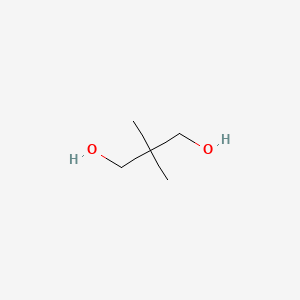
Neopentyl glycol (C5H12O2), or 2,2-dimethyl-1,3-propanediol, is a white crystalline solid usually supplied as flakes. It is highly soluble in water and alcohols and melts at about 124–130°C. It is produced industrially from isobutyraldehyde and formaldehyde.
The two methyl groups on the central carbon of NPG shield its ester bonds. As a result, polyesters made with NPG have excellent resistance to hydrolysis, heat, light and weathering. This is why NPG is a standard glycol in polyester resins for outdoor powder coatings, coil coatings and gel coats, usually combined with acids such as Terephthalic Acid or Phthalic Anhydride.
NPG is also used to make polyol esters for high-performance synthetic lubricants and in alkyd resins and plasticizers. Compared with 1,2-Propylene glycol or Diethylene Glycol DEG, it gives harder, more durable and more weather-resistant resins. NPG is hygroscopic and tends to cake, so dry storage is important.
Key Applications of Neopentyl Glycol
Main application areas:
🎨 Powder Coatings
Key glycol in saturated polyester resins for weather-resistant powder and coil coatings.
🚤 Unsaturated Polyesters
Used in gel coats and resins that need good water and chemical resistance.
⚙️ Synthetic Lubricants
Raw material for polyol esters used in high-performance lubricants.
🏭 Alkyds and Plasticizers
Building block for alkyd resins and specialty plasticizers.
Neopentyl Glycol Technical Specifications
| Parameter | Standard Value |
|---|---|
| Product Name | Neopentyl Glycol |
| CAS Number | 126-30-7 |
| EC Number | 204-781-0 |
| Molecular Formula / Weight | C5H12O2 / 104.15 g/mol |
| Appearance | White flakes or fused solid mass |
| Assay / Purity (GC) | ≥ 99.0% |
| Melting Point | Approx. 124 – 130 °C |
| Water Content | ≤ 0.5% |
| Documents | CoA and SDS with every lot |
⚠️ Safety & Handling: Causes serious eye irritation; avoid creating dust and wear eye protection and gloves. NPG is hygroscopic and may cake, so store it in tightly closed bags in a cool, dry place, away from moisture and strong oxidizers. Always consult the Safety Data Sheet (SDS) for full classification and handling instructions.
Frequently Asked Questions
Why is NPG used in outdoor coatings?
Its branched structure protects the ester bonds in polyester resins, giving coatings excellent resistance to hydrolysis, UV light and weathering.
How should neopentyl glycol be stored?
Keep it in tightly closed packaging in a dry place. NPG absorbs moisture and can cake if stored in humid conditions.
How can I get a price and documents?
Prices depend on quantity, packaging and destination. Contact us with your required volume to receive a quotation together with the CoA and SDS.