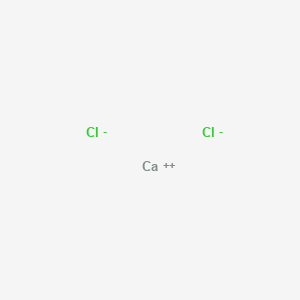
Calcium Chloride
Anhydrous Calcium Chloride (CAS 10043-52-4, E509), 94–97%, supplied wholesale by Zyntex. Hygroscopic salt for de-icing, dust control, concrete acceleration, oilfield brines and food firming. CoA and SDS with every lot.
Description
Calcium Chloride Product Overview
Calcium chloride (CaCl2) comes as white powder, granules or flakes. It dissolves in water very quickly and releases a lot of heat while doing so. Because it also pulls moisture from the air, it works well as a drying agent. Food producers know it as E509.
It melts ice at much lower temperatures than common salt. For this reason, road authorities use it for winter maintenance, often alongside low-corrosion alternatives such as Potassium acetate. In summer, the same moisture-attracting property keeps unpaved roads damp and dust-free. In construction, it speeds up the setting of concrete in cold weather; however, it is not suitable for reinforced concrete, because chloride promotes steel corrosion.
Oil and gas companies also use its dense brines as completion and workover fluids. In food, cheese makers add it to milk to improve curd formation, and fruit and vegetable processors use it as a firming agent. For other magnesium and calcium salts, see Magnesium Chloride and Calcium acetate.
Key Applications of Calcium Chloride
Main application areas:
❄️ De-icing and Dust Control
Melts ice at low temperatures and keeps unpaved roads dust-free.
🏗️ Construction
Set accelerator for non-reinforced concrete in cold weather.
🛢️ Oil and Gas
Dense brines for well completion and workover fluids.
🧀 Food Industry
Firming agent and cheese-making aid (E509).
Calcium Chloride Technical Specifications
| Parameter | Standard Value |
|---|---|
| Product Name | Calcium Chloride (Anhydrous) |
| CAS Number | 10043-52-4 |
| EC Number | 233-140-8 |
| E Number | E509 |
| Molecular Formula / Weight | CaCl2 / 110.98 g/mol |
| Assay / Purity | Min 94.0% to 97.0% (Anhydrous Basis) |
| Appearance | White powder, granules or crystalline flakes |
| pH (5% Water Solution) | Approx. 7.5 – 11.0 |
| Solubility | Freely soluble in water (exothermic reaction); soluble in ethanol |
| Documents | CoA and SDS with every lot |
⚠️ Safety & Handling: Causes serious eye irritation. Dissolving it generates strong heat, so add it slowly to water, never water to the solid. Wear gloves and eye protection. Keep bags tightly closed in a dry place, because the product absorbs moisture and liquefies. Always consult the Safety Data Sheet (SDS) for full classification and handling instructions.
Frequently Asked Questions
What is the difference between the anhydrous grade and flakes?
Anhydrous calcium chloride contains 94–97% CaCl2, while dihydrate flakes typically contain 74–77%. The anhydrous form gives more active substance per kilogram and releases more heat on dissolving.
Can calcium chloride be used in reinforced concrete?
No. Chloride accelerates corrosion of steel reinforcement, so it is only suitable for plain, non-reinforced concrete.
How can I get a price and documents?
Prices depend on quantity, packaging and destination. Contact us with your required volume to receive a quotation together with the CoA and SDS.