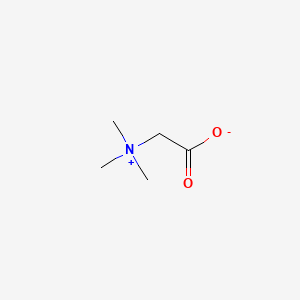
Betaine Anhydrous
Betaine Anhydrous (trimethylglycine, CAS 107-43-7), natural or synthetic, supplied wholesale by Zyntex. Methyl donor and osmolyte for poultry, pig and aquaculture feed, cosmetic humectant and sports nutrition ingredient. CoA and SDS.
Description
Betaine Anhydrous Product Overview
Betaine anhydrous (C5H11NO2) is a white, hygroscopic crystalline powder that dissolves very easily in water and has a slightly sweet taste. Producers obtain natural betaine from sugar beet molasses, while synthetic grades are also common.
Feed producers use betaine in poultry, pig and aquaculture diets, because it acts as a methyl donor that can partly replace methionine and choline, and as an osmolyte that helps animals cope with heat stress. Similarly, cosmetic formulators use it as a mild humectant in skin and hair care, and producers of sports and nutritional products use it in powders and capsules, under the regulations of each market.
Furthermore, it differs from Betaine Hydrochloride, which is an acidic salt with different uses. Related feed additives in our range also include DL-Methionine and L-Threonine.
Key Applications of Betaine Anhydrous
Typical uses include, for example:
🐔 Animal Feed
Methyl donor as well as osmolyte for poultry and pigs.
🐟 Aquaculture
Feed attractant as well as osmolyte.
🧴 Cosmetics
Mild humectant in skin as well as hair care.
🏋️ Sports Nutrition
Ingredient in powders as well as capsules.
Betaine Anhydrous Technical Specifications
| Parameter | Standard Value |
|---|---|
| Product Name | Betaine Anhydrous (Trimethylglycine) |
| CAS Number | 107-43-7 |
| Molecular Formula / Weight | C5H11NO2 / 117.15 g/mol |
| Assay / Purity | Min. 98% (feed grade 96–98%) |
| Source | Natural (sugar beet) or synthetic |
| Documents | CoA as well as SDS with every lot |
⚠️ Safety & Handling: Not classified as hazardous under GHS. Avoid dust formation and contact with eyes. Store in tightly closed containers in a dry place, because it absorbs moisture. Always consult the Safety Data Sheet (SDS), because it contains the full classification and handling instructions.
Frequently Asked Questions
What is the difference between betaine anhydrous and betaine hydrochloride?
Betaine anhydrous is the neutral form used in feed, cosmetics and nutrition, whereas betaine hydrochloride is an acidic salt used mainly as an acidifier.
Is your betaine natural?
Both natural betaine from sugar beet and synthetic betaine are available, so please state your preference.
How can I get a price and documents?
Prices depend on quantity, packaging and destination, so please contact us with your required volume. We then send a quotation together with the CoA and SDS.