Anisaldehyde
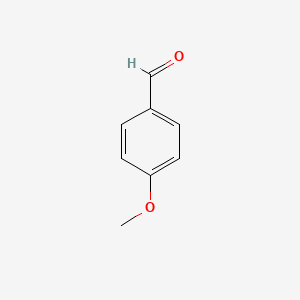
Anisaldehyde (4-methoxybenzaldehyde, CAS 123-11-5, FEMA 2670) supplied wholesale by Zyntex. Sweet floral aroma chemical for hawthorn and mimosa fragrances, vanilla and licorice flavors, synthesis and TLC staining. CoA and SDS.
Description
Anisaldehyde Product Overview
Anisaldehyde (C8H8O2) is a clear, colorless to pale yellow liquid with a sweet, floral odor reminiscent of hawthorn, mimosa and anise. It is a methoxy derivative of Benzaldehyde and is obtained mainly by oxidation of Anethole synthetic. It is listed as a flavoring substance under FEMA number 2670.
Perfumers use it in hawthorn, mimosa, lilac and heliotrope accords and in sweet, powdery compositions with Vanillin and Coumarin. Flavorists use it in vanilla, licorice, berry and cherry profiles. Chemists use it as an intermediate for pharmaceutical and specialty compounds, and laboratories use it in the classic p-anisaldehyde stain for thin-layer chromatography.
Like other aldehydes, it oxidizes slowly in air to anisic acid, so it should be stored in full, tightly closed containers.
Key Applications of Anisaldehyde
Main application areas:
🧴 Fragrances
Floral note for hawthorn, mimosa and lilac accords.
🍬 Flavors
Sweet note in vanilla, licorice and berry flavors.
🧪 Synthesis
Intermediate for pharmaceutical compounds.
🔬 Laboratory
Reagent for TLC staining.
Anisaldehyde Technical Specifications
| Parameter | Standard Value |
|---|---|
| Product Name | Anisaldehyde (4-Methoxybenzaldehyde) |
| CAS Number | 123-11-5 |
| FEMA Number | 2670 |
| Molecular Formula / Weight | C8H8O2 / 136.15 g/mol |
| Appearance | Colorless to pale yellow liquid |
| Documents | CoA and SDS with every lot |
⚠️ Safety & Handling: May cause skin irritation and allergic skin reactions and is harmful to aquatic life. Avoid contact with skin and eyes and wear gloves and eye protection. Store in full, tightly closed containers in a cool, dark place to slow oxidation. Always consult the Safety Data Sheet (SDS) for full classification and handling instructions.
Frequently Asked Questions
How is anisaldehyde made?
Mainly by oxidizing anethole, which comes from anise or star anise oil or is produced synthetically.
What does anisaldehyde smell like?
It has a sweet, floral odor reminiscent of hawthorn and mimosa, with an anise-like nuance.
How can I get a price and documents?
Prices depend on quantity, packaging and destination. Contact us with your required volume to receive a quotation together with the CoA and SDS.